
Restorative Dentistry
Dental Implants in Duncanville, TX
Permanent tooth replacement, planned in 3D.
Missing teeth affect your appearance, your confidence and the way you eat. At Precision Dental Care we place and restore implants so you can smile, speak and chew normally again — whether that is one tooth or a full arch. Cases are planned from a cone beam scan, and Dr. Marco Bergamini, a board-certified prosthodontist, is on staff. We proudly serve Duncanville, Cedar Hill, DeSoto, Grand Prairie, Lancaster and nearby Texas communities.
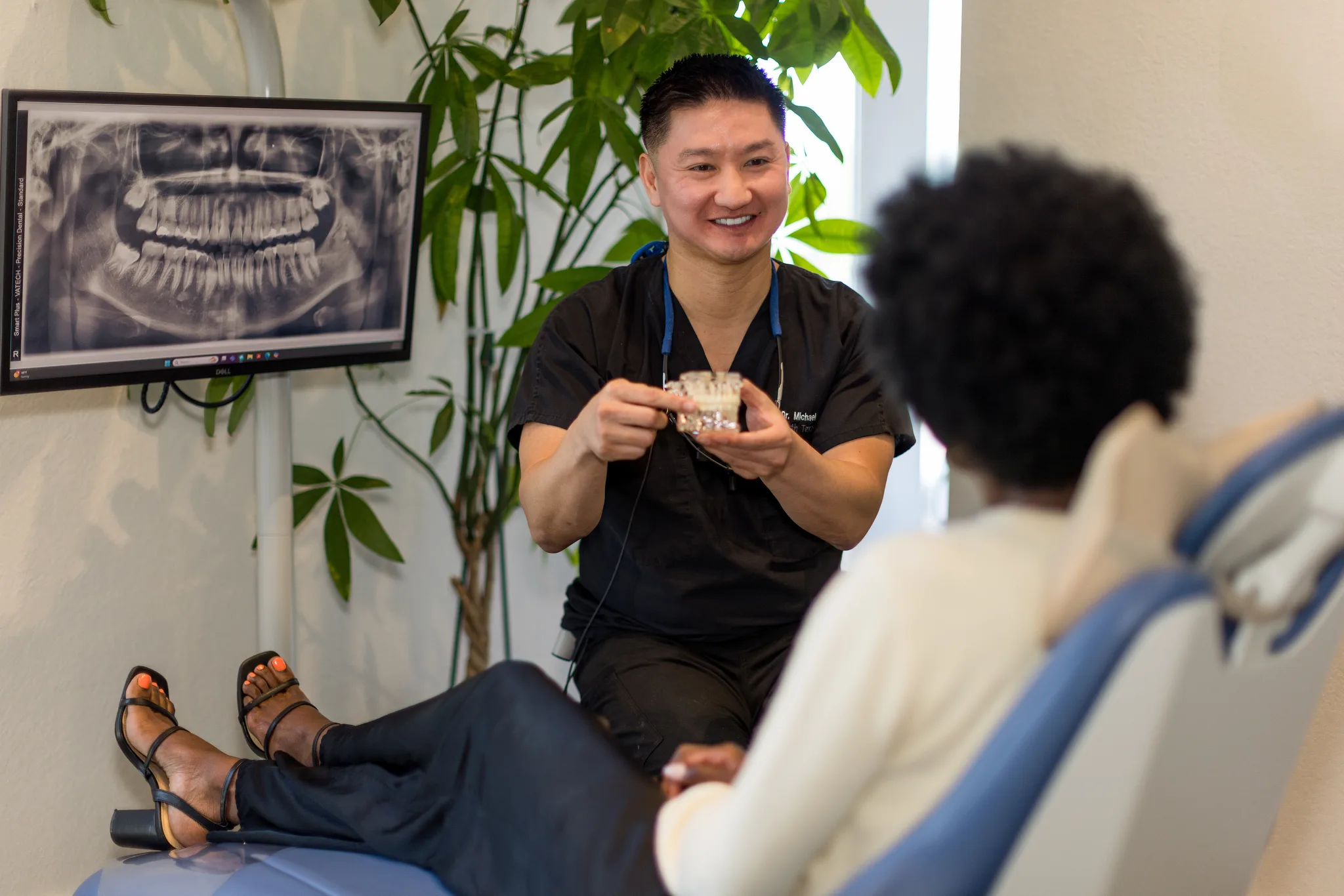
Expert Care. Flawless Results.
Dental Implants at Precision Dental Care
A dental implant is a small titanium post that takes the place of a missing tooth’s root. Once it is placed into the jawbone and the bone has healed around it, the implant becomes a fixed foundation for whatever sits on top — a single crown, a bridge across several teeth, or a full-arch denture. That distinction matters more than it sounds: because the implant is anchored in bone rather than to the teeth on either side, the neighboring teeth are left untouched, and the bone at the site keeps the stimulus it needs instead of gradually resorbing the way it does under a gap. It is the reason implants tend to hold their result for decades where other options need revisiting.
Why Patients Choose Implants
- They look and feel like natural teeth The crown is matched to your own teeth and is fixed, not removable.
- They preserve the jawbone The post keeps loading the bone at the site, which a bridge or a denture cannot do.
- They restore full chewing power There is no plate across the palate and nothing to slip.
- They leave the neighboring teeth alone Nothing healthy has to be cut down to carry the restoration.
- They last With good hygiene and regular checkups, implants can last 20 years or more.
The Options We Offer
- Implant-Retained Crowns A single implant and a single crown for one missing tooth. Preserves the bone at the site, restores full function, and needs no alteration to the healthy teeth either side.
- Implant-Supported Dentures Snap-in dentures that come out for cleaning, or fixed dentures that stay in permanently. No adhesives, no movement while you eat or speak, and the bone underneath is preserved.
- All-on-4 A full arch carried on four implants. Fewer implants, immediate function, and in many cases it avoids the need for bone grafting.
- All-on-6 The same idea on six implants, for more chewing power, stronger support for a fixed bridge and greater structural durability.
How the Planning Works
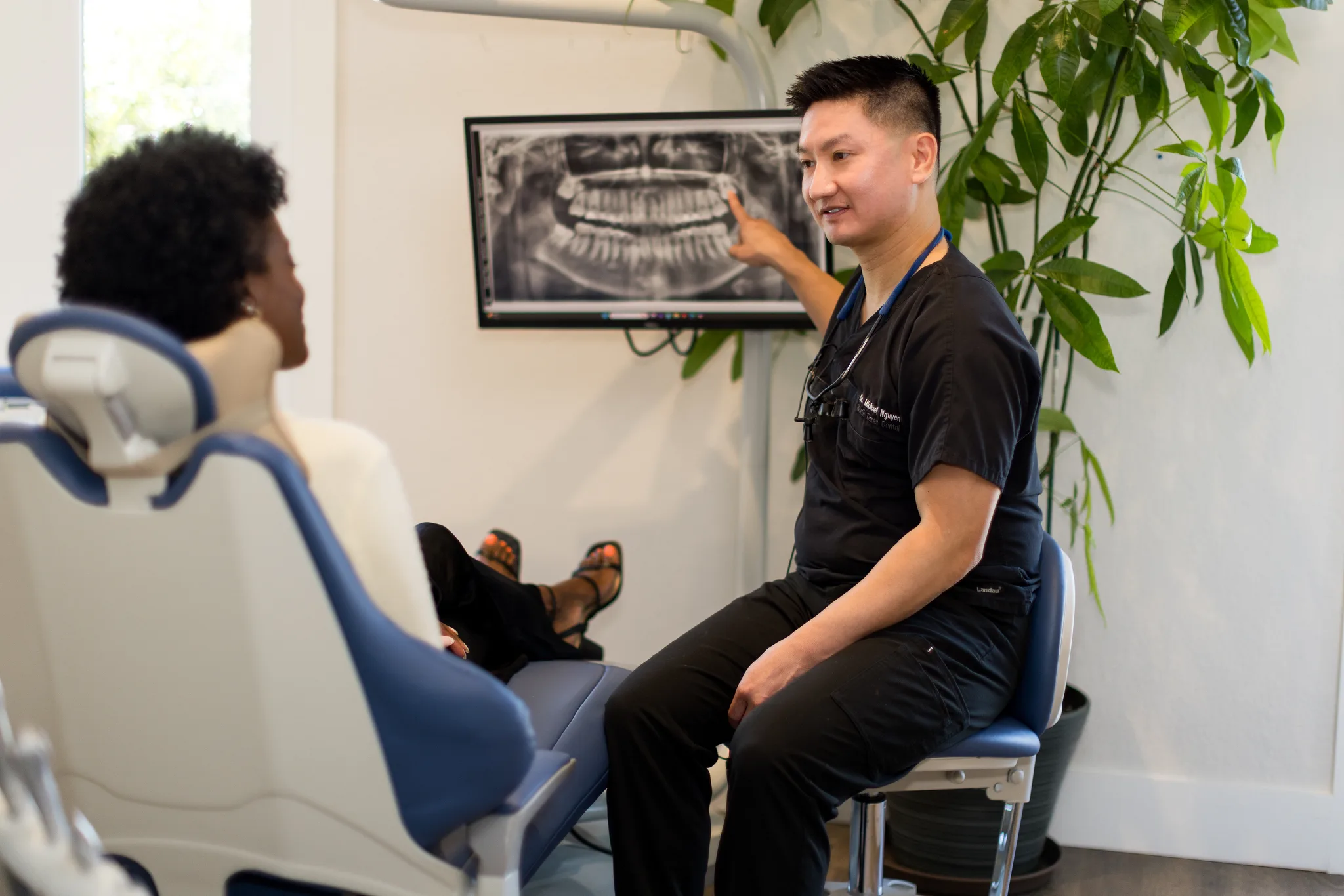
- Cone beam CT scan A 3D view of the bone, the nerve and the sinus before anything is decided.
- iTero digital impressions No trays and no putty.
- 3D printed surgical guides The plan is transferred to the mouth precisely.
- A prosthodontist on staff Dr. Bergamini is board certified in exactly this work.
- Restorations made in house The lab is a corridor away from the chair.
- The cost in writing first You see the whole plan and its price before treatment starts.
Where Implants Fit
An implant is one of several ways to replace a missing tooth, and it is not always the right one. Compare it with a fixed dental bridge, see the removable options on our dentures page, or read how a larger case is sequenced under full mouth reconstruction. Financing is available through CareCredit, Cherry and Proceed Finance — see our financing options.
The short answer
A dental implant is a small titanium post that takes the place of a missing tooth’s root. Once it is placed in the jawbone and the bone has healed around it, the implant becomes a fixed foundation for a single crown, a bridge or a full-arch denture. Because it is anchored in bone rather than to the neighboring teeth, those teeth are left untouched and the bone at the site is preserved.
Dental Implants FAQ
- How long do dental implants last?
- With good hygiene and regular checkups, dental implants can last 20 years or more. Because an implant is anchored in the jawbone rather than to the teeth on either side, it keeps the bone at the site under load instead of letting it resorb the way it does under a gap. That is the main reason implants tend to hold their result for decades where other options need revisiting. Brushing, flossing and keeping your routine cleanings are what protect it.
- Do implants hurt?
- Most patients report minimal discomfort during implant treatment. The area is numbed with local anesthetic and we use gentle techniques throughout. If you would rather be more relaxed, sedation is available, and we will talk through the options with you before the appointment.
- Can smokers have implants?
- Yes, smokers can have dental implants, although healing can take longer. An implant depends on the bone healing around it before it can carry a crown, bridge or denture, so anything that slows healing matters. We will discuss the best approach for your situation before planning treatment.
- Are implants better than a bridge or a denture?
- Implants are often more stable and longer lasting than a bridge or a denture, because they preserve the bone and do not rely on the neighboring teeth. A bridge is anchored to the teeth on either side of the gap, while an implant is anchored in the jawbone itself, so nothing healthy has to be cut down to carry it. Which is right for you depends on the bone, the gap and your overall plan, and an implant is not always the right choice.
- Will I need a bone graft?
- Whether you need a bone graft depends on the density of your jawbone, which we assess from a cone beam CT scan. The scan gives a 3D view of the bone, the nerve and the sinus before anything is decided. Where bone is limited, techniques such as All-on-4 can often avoid the need for grafting.
- What is the difference between All-on-4 and All-on-6?
- All-on-4 and All-on-6 both carry a full arch of teeth on implants; the difference is the number of implants. All-on-4 uses four, which means fewer implants, immediate function and, in many cases, no need for bone grafting. All-on-6 uses six, which gives more chewing power, stronger support for a fixed bridge and greater structural durability. Which suits you depends on your bone and your plan.
- How do I look after an implant?
- Look after an implant the way you would a natural tooth: brush and floss around it every day and keep your routine cleanings. We check the implant and the gum around it at every visit, so any problem is found early. With that care, implants can last 20 years or more.
- Who places the implants?
- Implant and full-mouth cases are handled here rather than referred out. Dr. Marco Bergamini, a board-certified prosthodontist and implant specialist, is on staff. Each case is planned from a cone beam scan and iTero digital impressions, the plan is transferred to the mouth with a 3D-printed surgical guide, and the restorations are made in the lab inside the building.
- Is financing available?
- Yes, financing is available for dental implants through CareCredit, Cherry and Proceed Finance. You see the whole treatment plan and its cost in writing before treatment starts, so you can choose how to pay knowing the full picture. The front desk can walk you through any of the three.
- How soon can I get started?
- We offer same-week consultations for dental implants. Call the office and we will find you a time to have the case assessed. The case is planned from a cone beam scan, and you see the whole plan and its price before treatment starts.
Book a visit
Plan your visit.
Address
Hours
Dental emergency? We hold time open every day for urgent visits.
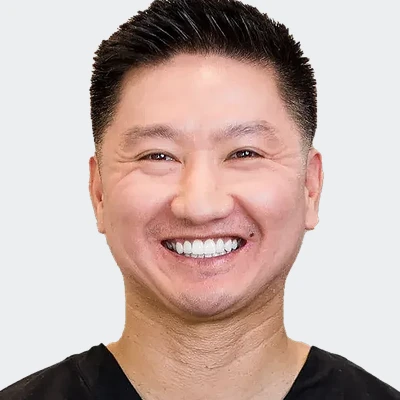
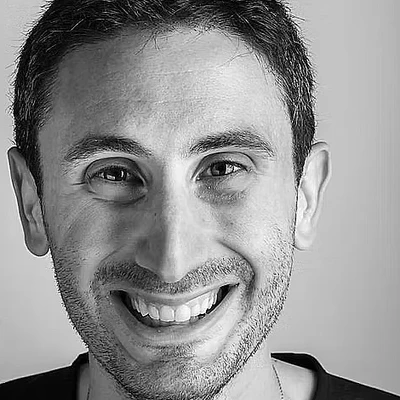
Your doctors
The doctors behind your care.


Insurance & financing
Insurance-friendly.
We’re in-network with many PPO plans and file your claims for you as a courtesy.
Financing through CareCredit, Cherry and Proceed Finance — apply in minutes, in office or at home.