
Preventive Dentistry
Dental Sealants in Duncanville, TX
Protect your smile from cavities — quickly, safely and effectively.
Even with good brushing, the pits and grooves on the chewing surfaces of the back teeth trap food and bacteria that a brush bristle is simply too wide to reach. A sealant closes them off. It takes minutes, needs no drilling and no numbing, and it is one of the best-value things in dentistry. Serving Duncanville, DeSoto, Cedar Hill, Grand Prairie and nearby Texas communities.
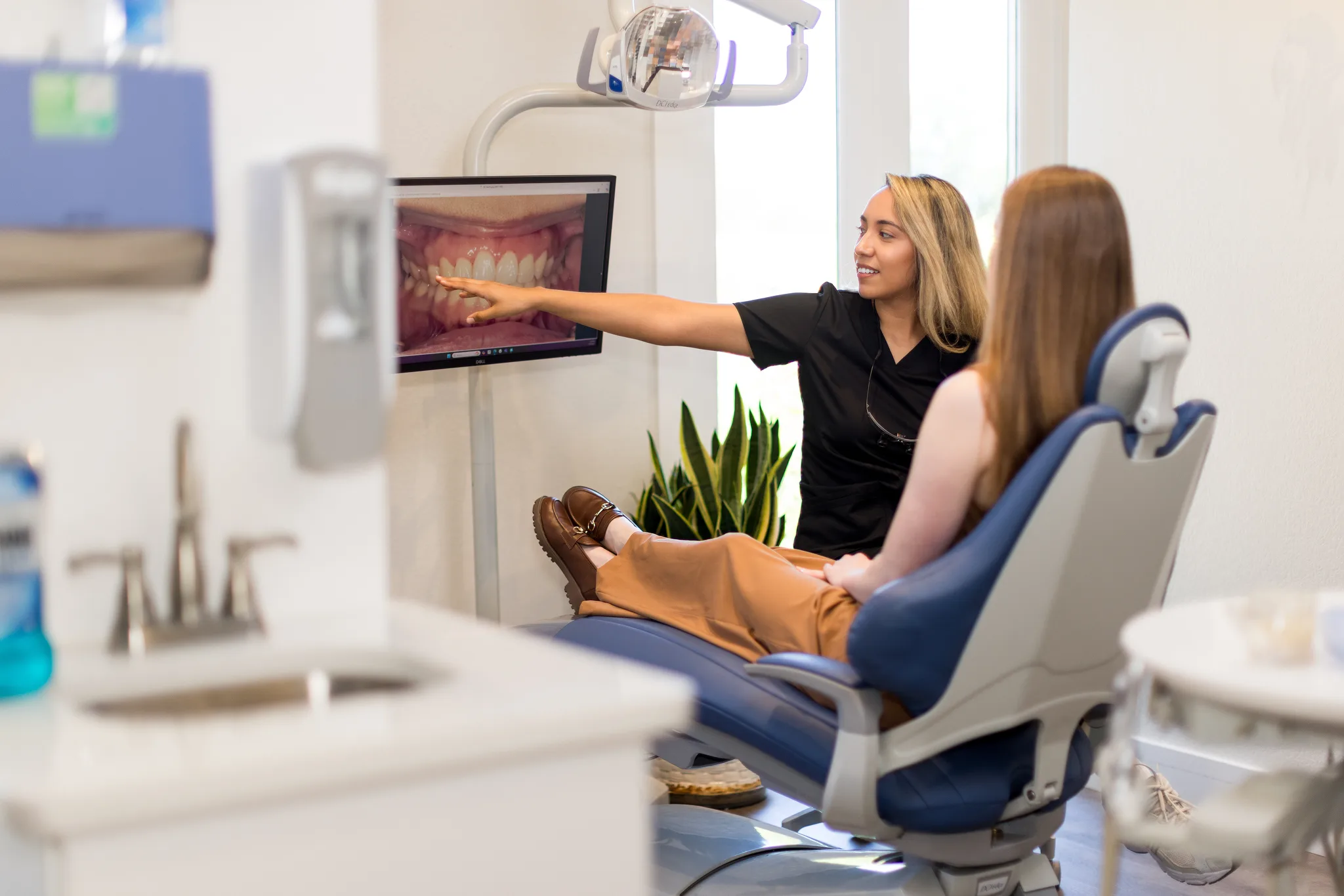
Expert Care. Flawless Results.
Dental Sealants at Precision Dental Care
A sealant is a thin, tooth-colored coating painted onto the biting surface of a molar or premolar and set hard with a curing light. Once it is there, the deep grooves that used to hold plaque are a smooth surface instead — easy to brush, and no longer a place where decay can start unseen. That is why sealants are worth most on a tooth that is brand new: a permanent molar arriving at age six has decades of chewing ahead of it, and sealing it before anything happens is far simpler than filling it afterwards. They are quick, painless and entirely non-invasive, which is also why they suit nervous children particularly well.
What a Sealant Is
- Clear or tooth-colored Nearly invisible once it is in place.
- Applied in a single visit Minutes per tooth, with no drilling and no anesthetic.
- Long-lasting Five to ten years with good care, and reapplied if it wears.
- Not only for children Adults with deep grooves or frequent cavities benefit too.
Who Sealants Suit
- Children As soon as the permanent molars come through, usually around six and twelve.
- Teenagers The years of most snacking and least reliable brushing.
- Adults Where the grooves are deep or there is a history of decay.
What Happens at the Appointment
We clean and dry the tooth, apply a gentle etching gel to prepare the enamel, brush the sealant on as a liquid so it flows into every groove, and harden it with a light in seconds. Before any of that we check the tooth properly — caries detection dye and digital X-rays confirm there is no decay hiding underneath, because sealing over a cavity would be worse than not sealing at all. Sealants sit alongside preventive dentistry and cleanings and exams; they are an extra layer, not a replacement for brushing and flossing.
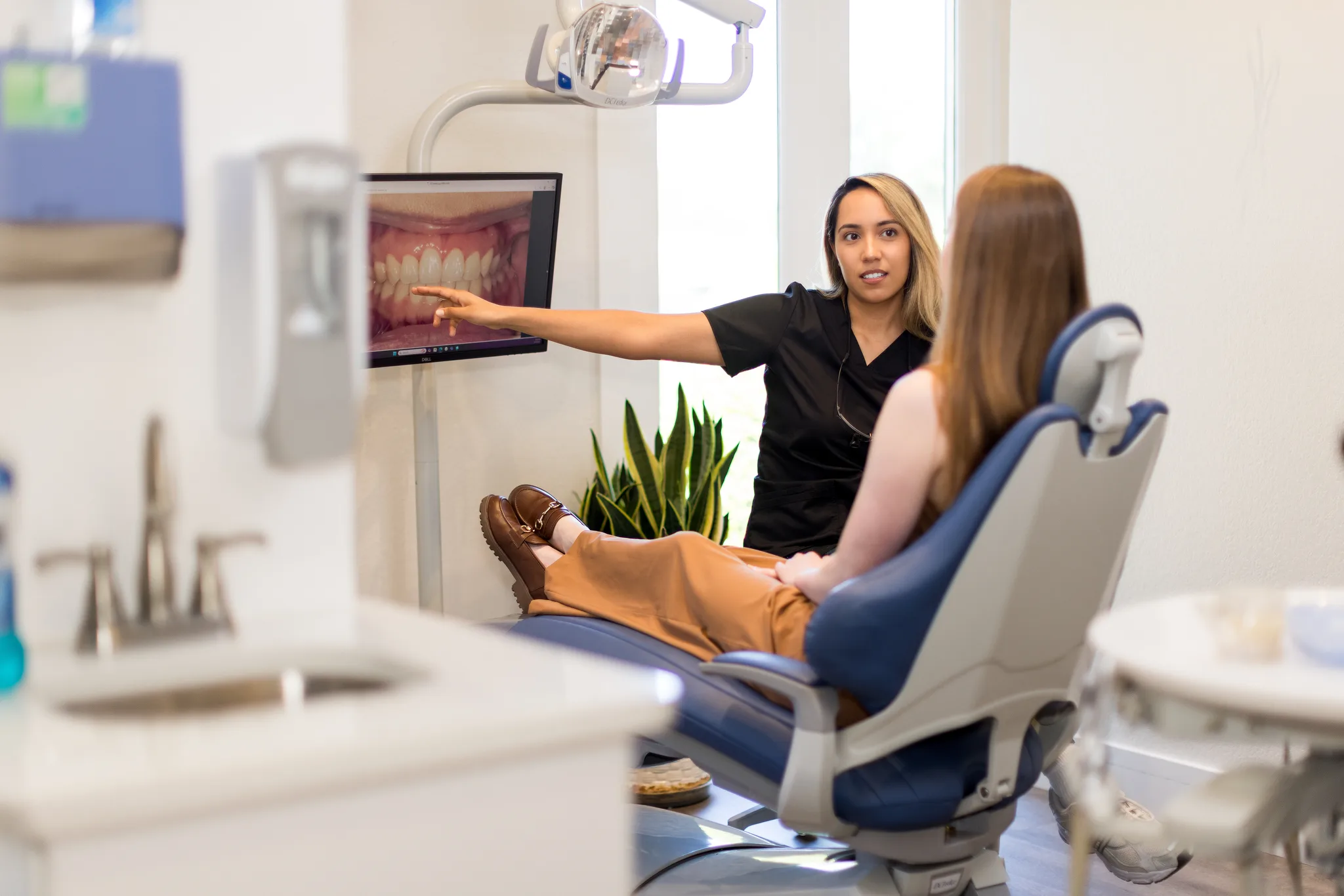
The short answer
A dental sealant is a thin, tooth-colored coating painted onto the chewing surface of a molar or premolar and hardened with a curing light. It turns the deep grooves that trap plaque into a smooth surface that is easy to brush. Sealants are quick, painless and non-invasive, and they are most valuable on new permanent molars.
Dental Sealants FAQ
- Are sealants only for children?
- No, sealants are not only for children; adults with deep grooves or cavity-prone teeth benefit from them too. Children and teenagers are the most common patients, because new permanent molars and the years of most snacking are when the grooves are most at risk. For an adult, what decides it is how deep the grooves are and whether there is a history of decay.
- How long do sealants last?
- With good oral hygiene, sealants last five to ten years. They can wear down over time, so we check them at every cleaning and reapply them where needed. That way the tooth stays protected even after the original coating has worn.
- Do sealants hurt or require drilling?
- No, sealants neither hurt nor require drilling, and no anesthetic is needed. We clean and dry the tooth, apply a gentle etching gel to prepare the enamel, brush the sealant on as a liquid and harden it with a light in seconds. It takes minutes per tooth, which is why sealants suit nervous children particularly well.
- Can I eat right after getting sealants?
- Yes, you can eat right after getting sealants, though it is best to avoid hard or sticky foods for the first few hours. The sealant is hardened with a curing light before you leave, so there is no setting time to wait out. Brushing and flossing carry on as usual.
- Are sealants visible on teeth?
- Sealants are barely visible, because they are clear or tooth-colored and nearly invisible once placed. They sit on the chewing surfaces of the back teeth, not the front teeth people see when you smile. The coating simply turns the deep grooves into a smooth surface that is easy to brush.
- Will insurance cover sealants?
- Many insurance plans cover sealants for children. We check your benefits before the appointment, so you know what your plan includes before anything is applied. Because a sealant takes minutes and needs no drilling or numbing, it is one of the best-value things in dentistry either way.
- What age should children get sealants?
- Children should get sealants when their permanent molars arrive, which is typically around ages six and twelve. Sealing a brand-new tooth before anything has happened to it is far simpler than filling it later. A permanent molar has decades of chewing ahead of it, so that is when a sealant is worth most.
- Can sealants fall off?
- Sealants can wear down over time, which is why we check them at every cleaning and reapply them where needed. With good oral hygiene they last five to ten years. Keeping up your cleanings means a worn sealant is spotted and replaced, so the groove underneath does not go unprotected.
- Are sealants safe?
- Yes, sealants are safe; the materials are safe, durable and thoroughly tested. Applying them is entirely non-invasive, with no drilling and no anesthetic. Before sealing, we check the tooth with caries detection dye and digital X-rays to confirm there is no decay hiding underneath, because sealing over a cavity would be worse than not sealing at all.
- Do sealants replace brushing or flossing?
- No, sealants do not replace brushing or flossing; they are an added layer of protection. A sealant covers the grooves on the chewing surface, not the sides of the teeth or the spaces between them. Brushing, flossing and regular cleanings still matter for the rest of the tooth and for the gums.
Book a visit
Plan your visit.
Address
Hours
Dental emergency? We hold time open every day for urgent visits.
Your doctors
The doctors behind your care.




Insurance & financing
Insurance-friendly.
We’re in-network with many PPO plans and file your claims for you as a courtesy.
Financing through CareCredit, Cherry and Proceed Finance — apply in minutes, in office or at home.