
Oral Surgery
Oral Surgery in Duncanville, TX
Expert surgical dental care with comfort, precision and compassion.
Surgery sounds bigger than it usually is. Most of what we do here — an extraction, a wisdom tooth, a graft that keeps the bone ready for an implant — is a single appointment under local anesthetic, with sedation available if you want it. It is all done in our own office, by the team you already know. We serve Duncanville, Cedar Hill, DeSoto, Grand Prairie and nearby Texas communities.
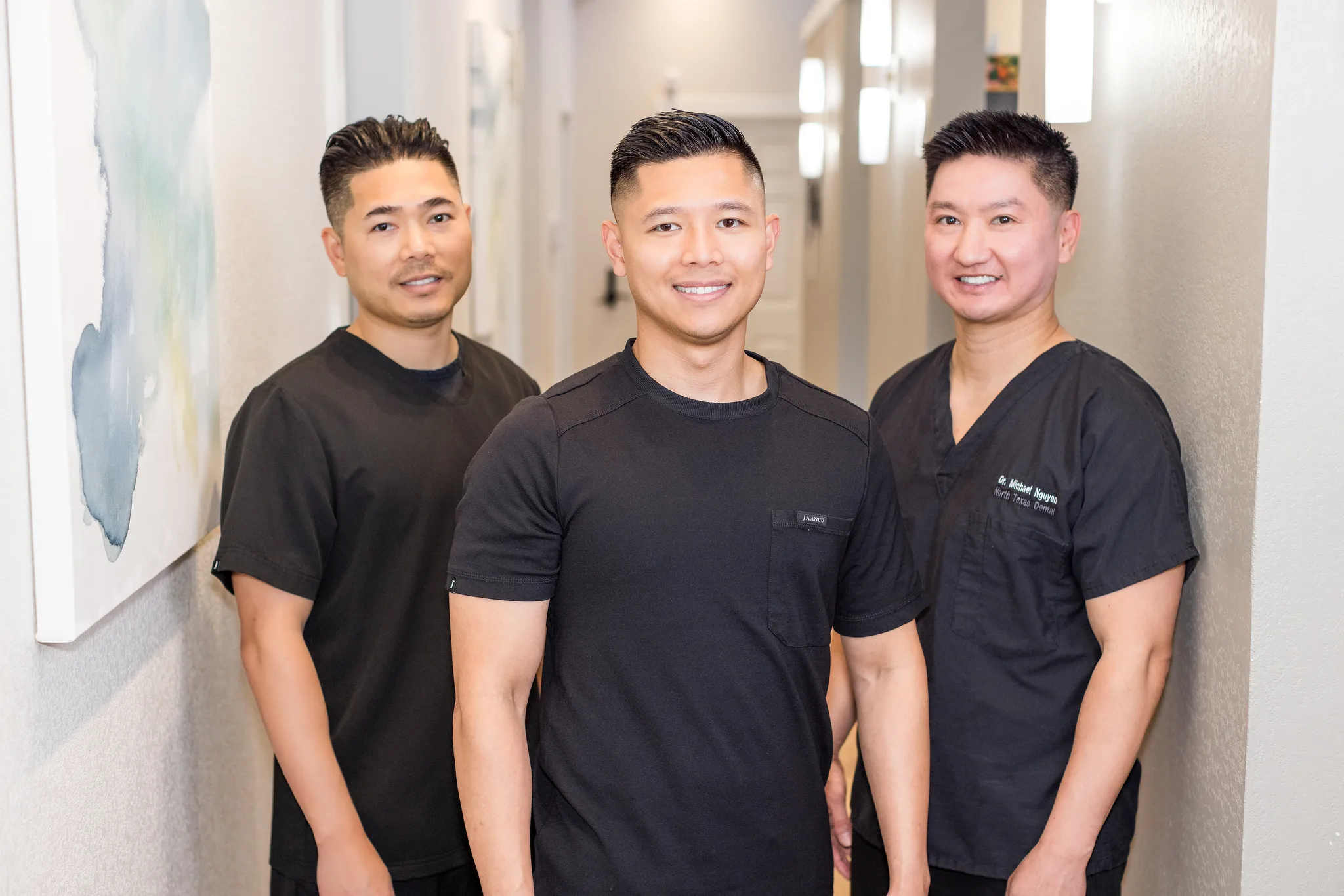
Expert Care. Flawless Results.
Oral Surgery at Precision Dental Care
Having surgical care in the same building as your regular dentistry changes the experience more than people expect. There is no referral, no unfamiliar office, no second set of X-rays, and no gap between the decision and the appointment. We image the area with a cone beam scan, show you what we are looking at on the screen, and tell you plainly whether surgery is the right call — because the point of advanced diagnostics is to rule procedures out as often as it is to recommend them. When surgery is the answer, your plan is built around what you need and how comfortable you want to be, and you leave with written aftercare and a follow-up already booked.
When Oral Surgery Is Recommended
- An impacted or badly damaged tooth Where restoring it is no longer realistic.
- Preserving jawbone before an implant A graft keeps the site ready.
- Preparing for dentures or full-mouth work Shaping the ridge so a prosthesis fits.
- Chronic infections, cysts or abscesses Removing the source rather than managing it.
- Gum or jaw problems needing surgical correction Including tissue that is attached too tightly.
Procedures We Carry Out In-House
- Tooth extractions Simple and surgical, for damaged, infected or impacted teeth.
- Wisdom teeth removal Including impacted and partially erupted third molars.
- Bone grafting Preserves bone after tooth loss and prepares the site for an implant.
- Soft tissue procedures Gum contouring, frenectomies and tissue biopsies.
- Pre-prosthetic surgery Preparing the mouth for dentures or implant-supported work.
- Emergency oral surgery Same-day care for infection, trauma or urgent problems.
What to Expect
- Consultation We evaluate the area, take the scans we need and explain the plan.
- Pre-op instructions Clear written guidance on how to prepare.
- Day of surgery Local anesthetic as standard, sedation if you would prefer it.
- Post-op care Written aftercare, plus a follow-up to check healing and remove sutures.
The Technology Behind It
A cone beam CT scanner gives us 3D imaging of the teeth, nerves and jawbone, so a root or a nerve is never a surprise. Digital X-rays keep radiation low, intraoral cameras let you see what we see, soft tissue lasers make gum work more precise and faster to heal, and digital impressions and 3D printing produce surgical guides and temporary restorations without a tray of putty. Related treatment: tooth extractions, dental implants, sedation dentistry and emergency dental care.

The short answer
Oral surgery covers surgical procedures inside the mouth, including extractions, wisdom teeth removal, bone grafting and soft tissue work. Each case is planned from a cone beam scan, which also shows whether surgery is really needed. It is carried out in the same building as your regular dental care, so there is no referral to another office.
Oral Surgery FAQ
- Is oral surgery painful?
- No, oral surgery should not be painful, because we use modern anesthesia techniques and offer sedation, so the procedure itself is comfortable. Local anesthetic is standard on the day, with sedation if you would prefer it. Most procedures are a single appointment in our own office, by the team you already know.
- How long is recovery after oral surgery?
- Most patients feel better within a few days of oral surgery, and full healing usually takes one to two weeks, depending on the procedure. You leave with written aftercare and a follow-up already booked. At that follow-up we check the site is healing and remove any sutures.
- Will I need to take time off work?
- A day or two of rest is sensible after more involved procedures such as wisdom teeth removal or grafting. How much time you need depends on the procedure, and much of what we do is a single appointment under local anesthetic. We explain what to expect at the consultation, and the written pre-op instructions tell you how to prepare.
- Can I eat after surgery?
- Yes, you can eat after surgery, sticking to soft foods for the first few days and avoiding chewing near the surgical site. That protects the area while it heals. Your written aftercare covers it in full.
- What if I am nervous about surgery?
- If you are nervous, tell us, because we offer sedation and go at your pace. Nothing happens until you are ready. Before the day, we show you the scan on the screen and explain the plan, so you know what is involved.
- Do you offer emergency surgery?
- Yes, we offer emergency oral surgery and can often deal with infections, broken teeth and trauma the same day. Because surgical care is in the same building as your regular dentistry, there is no referral and no gap between the decision and the appointment. A cone beam scan shows the area in 3D before anything is decided.
- How do I care for the surgical area?
- You get complete written aftercare instructions for the surgical area, and we check in during healing. In the first few days that means soft foods and avoiding chewing near the site. A follow-up visit is booked to check healing and remove any sutures.
- Will I need a follow-up visit?
- Yes, we schedule a follow-up visit after oral surgery. It confirms the site is healing properly, and it is when any sutures are removed. It is already booked before you leave.
- Can oral surgery prevent future problems?
- Often, yes, because dealing with a problem tooth early reduces the risk of infection, crowding or bone loss later. Removing the source of a chronic infection, cyst or abscess deals with it rather than managing it. A bone graft after tooth loss preserves the bone and keeps the site ready for an implant.
- Is oral surgery covered by insurance?
- Most insurance plans cover medically necessary oral surgery. We verify your benefits before treatment and offer financing if you need it. Each case is evaluated and explained at a consultation first, so you know the plan before treatment.
Book a visit
Plan your visit.
Address
Hours
Dental emergency? We hold time open every day for urgent visits.
Your doctors
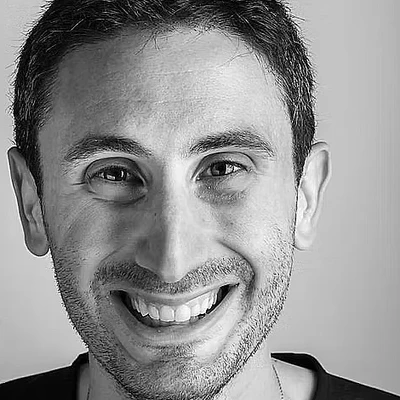
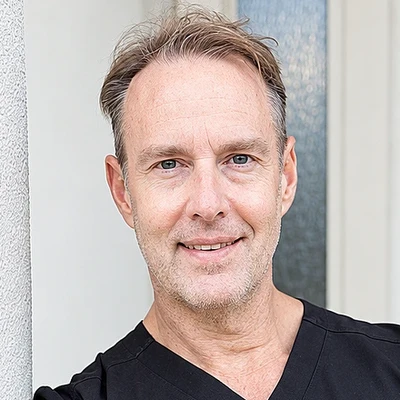
The doctors behind your care.


Insurance & financing
Insurance-friendly.
We’re in-network with many PPO plans and file your claims for you as a courtesy.
Financing through CareCredit, Cherry and Proceed Finance — apply in minutes, in office or at home.