
Restorative Dentistry
Dental Crowns in Duncanville, TX
Restore strength, comfort and confidence to your smile.
At Precision Dental Care we make high-quality, long-lasting crowns to repair teeth that are damaged, weakened or cosmetically compromised. Whether a tooth is cracked, heavily decayed, or part of an implant or bridge, our team will help you regain a confident, functional smile. We proudly serve Duncanville, DeSoto, Cedar Hill, Grand Prairie, Lancaster and nearby Texas communities.
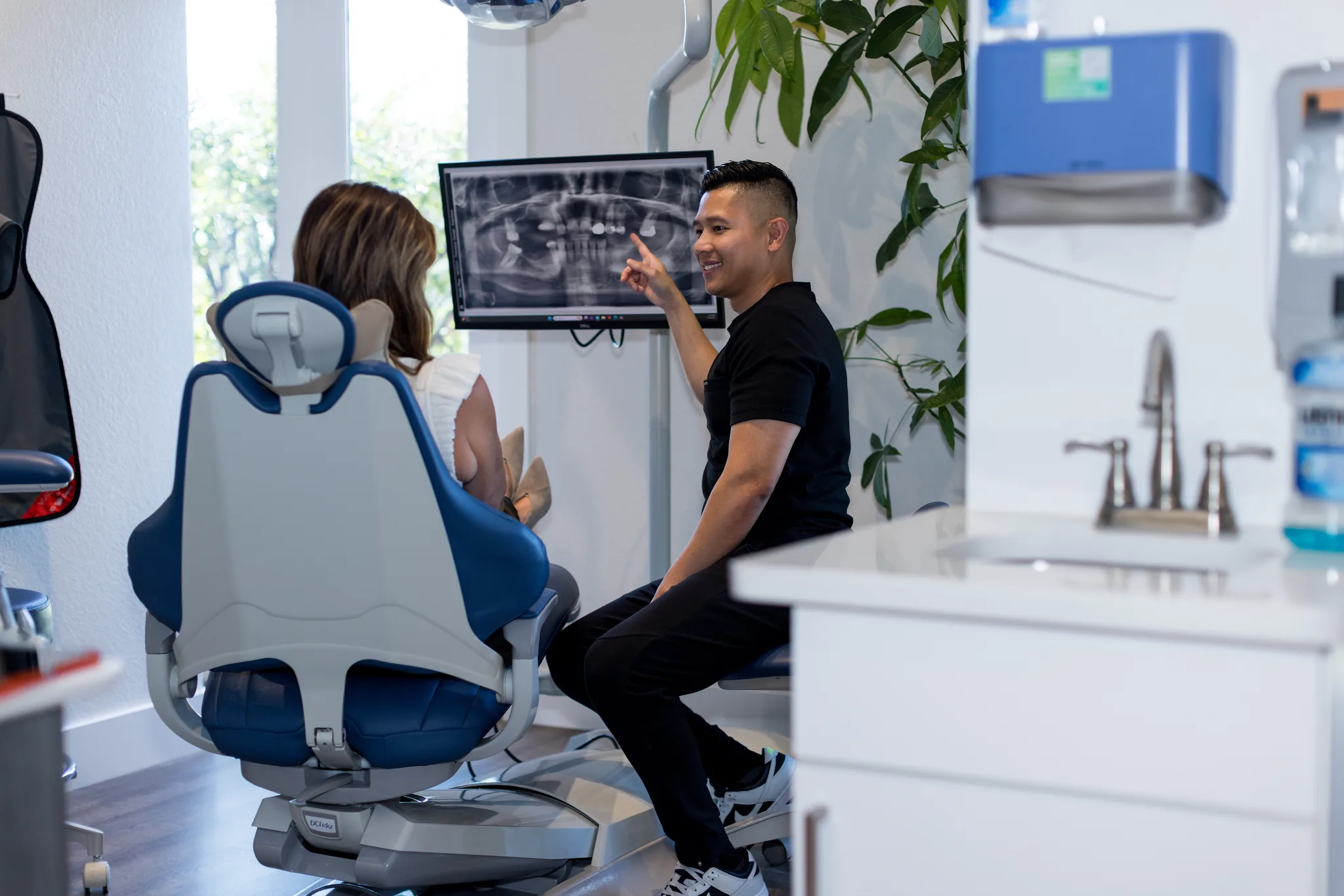
Expert Care. Flawless Results.
Dental Crowns at Precision Dental Care
A dental crown is a custom-made cap that covers and protects the entire visible portion of a tooth. It restores the tooth’s shape, size and strength while improving how it looks and shielding what remains of the natural structure from further damage. Crowns are one of the most common restorations in dentistry precisely because they solve several problems at once: a tooth that is cracked or worn is held together, a tooth that has lost too much structure to a large filling is given a reliable surface to chew on, and a tooth that has had root canal therapy is protected from fracturing under load. Because our lab is inside the building, the technician who makes your crown works a corridor away from the dentist who prepares it, so shade and fit are checked and adjusted immediately rather than posted back and forth.
When We Recommend a Crown
A crown is usually the right answer in one of these situations:
- A cracked, broken or badly worn tooth The crown holds the remaining structure together and takes the chewing load off the fracture.
- A filling that has become too large to rely on When there is more filling than tooth, a crown is the more predictable restoration.
- A tooth that has had root canal therapy Treated teeth become brittle, and a crown protects against fracture.
- An implant or a bridge The crown is the visible tooth that sits on the implant or anchors the bridge.
- Misshapen or discolored front teeth A crown corrects shape and shade where bonding or a veneer would not be enough.
Types of Crowns We Offer
We work in several materials, and the right one depends on where the tooth sits, how much force it takes and what you want it to look like.
- All-Ceramic (Porcelain) Entirely metal free, with a translucency that reads as natural enamel. Best for front teeth and cosmetic cases; biocompatible and stain resistant.
- Zirconia An exceptionally strong ceramic, which is why it suits molars and premolars. Strong, chip resistant and still tooth colored.
- Porcelain-Fused-to-Metal A metal base under an outer porcelain layer — a time-tested balance of durability and appearance for visible teeth that take heavy load.
- Gold Known for longevity and for being gentle on the opposing teeth. Rarely chosen where it shows, but still a reliable answer for back molars.
What to Expect
Because the lab is in this building, most crowns are designed, made and seated in a single visit — there is no outside lab to post the work to and no second appointment to come back for. You will know the cost before any preparation begins.
- Digital X-rays and exam The tooth is assessed on screen with you before anything is decided.
- Numbing and preparation The tooth is shaped to make room for the crown.
- iTero digital impressions A handheld scanner replaces the putty tray — no mess, nothing to gag on.
- Made in our own lab The crown is built here while you wait, rather than posted to an outside facility.
- Seated the same day The finished crown is bonded, and the bite is checked and polished before you leave.
- Adjustments on the spot Because the lab is in the building, changes happen while you are still here.
The Technology Behind a Better Fit
Every crown is planned with the same digital tools we use across the practice — an iTero scanner for accurate, mess-free impressions, a cone beam CT scanner where 3D imaging is needed, Digital Smile Design to preview the result, and 3D printing for accurate working models. You can read more about the equipment on our technology page, or see how a crown fits into a wider plan on our restorative dentistry page.

The short answer
A dental crown is a custom-made cap that covers the entire visible part of a tooth. It restores the tooth’s shape, size and strength and protects what remains of the natural structure. Crowns are used to hold a cracked or worn tooth together, to rebuild a tooth weakened by a large filling, and to protect a tooth after root canal therapy.
Dental Crowns FAQ
- How long do crowns last?
- Most crowns last 10 to 15 years with proper care, and some considerably longer. How long yours lasts depends mostly on your bite, your hygiene and whether you grind. For back teeth that take heavy force, zirconia is chosen for its strength and gold for its longevity, and brushing, flossing around the margin and regular checkups protect the tooth underneath.
- Will the procedure hurt?
- No, getting a crown should not hurt: we use local anesthetic so the tooth is fully numb before anything begins. Sedation is available if you would rather be more relaxed. The impression is taken with an iTero scanner instead of a putty tray, so there is nothing to gag on.
- Can I eat normally after getting a crown?
- Yes, once the final crown is bonded you can eat and chew as usual. We will tell you what to avoid while a temporary crown is in place. Because most crowns here are made and seated in a single visit, you often skip the temporary altogether, and the bite is checked and polished before you leave.
- Are crowns covered by insurance?
- Many insurance plans cover a portion of the cost of a crown. We verify your benefits before treatment and put the estimate in writing so you know your share before you decide. What your plan covers is also one of the things we weigh when choosing the crown material with you.
- What if my crown falls out?
- If your crown falls out, call us right away and keep the crown if you can. We will get you in quickly to assess the tooth and re-cement or remake the crown. Because our lab is in the building, a crown that needs remaking is built here rather than posted to an outside facility.
- Can crowns be used for cosmetic reasons?
- Yes, crowns can be used for cosmetic reasons, particularly on front teeth that are stained, worn or uneven. A crown corrects shape and shade where bonding or a veneer would not be enough, and all-ceramic crowns, with a translucency that reads as natural enamel, are best for front teeth. Where less coverage would do, we will tell you whether bonding or a veneer is the better option.
- Do crowns need special care?
- A crown needs the same care as a natural tooth: brush, floss and keep your regular checkups. Flossing around the margin matters most, because the natural tooth underneath is still vulnerable where it meets the crown. If you grind, tell us, since grinding is one of the things that decides how long a crown lasts.
- Can a crowned tooth still get a cavity?
- Yes, a crowned tooth can still get a cavity, though not in the crown itself. The crown cannot decay, but the natural tooth underneath is still vulnerable where the two meet, so good hygiene at the gumline is essential. Flossing around the margin and keeping your regular checkups are what protect it.
- Can a crown be made in one visit?
- Yes, a crown can be made in one visit, because we offer same-day crowns. The lab is inside the practice rather than an outside facility, so your crown is designed, made and seated in one appointment; you do not leave in a temporary and you do not come back for a second fitting. The tooth is scanned with the iTero scanner, the crown is built while you wait, and the bite is checked and polished before you leave.
- How do I know which crown material is right for me?
- The right crown material depends on where the tooth sits, how much force it takes, what it needs to look like and what your plan covers, and we walk you through the options. All-ceramic suits front teeth and cosmetic cases, zirconia suits molars and premolars, porcelain-fused-to-metal balances durability and appearance for visible teeth that take heavy load, and gold remains a reliable choice for back molars. You will know the cost before any preparation begins.
Book a visit
Plan your visit.
Address
Hours
Dental emergency? We hold time open every day for urgent visits.
Your doctors
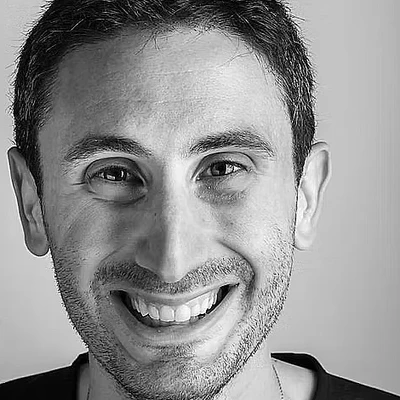
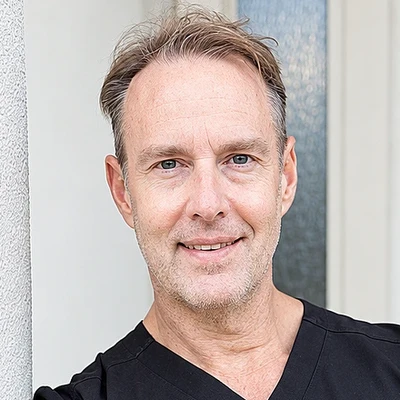
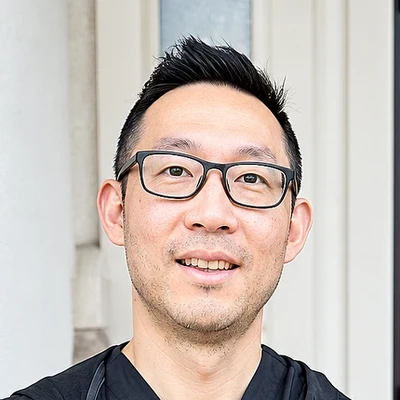
The doctors behind your care.

Insurance & financing
Insurance-friendly.
We’re in-network with many PPO plans and file your claims for you as a courtesy.
Financing through CareCredit, Cherry and Proceed Finance — apply in minutes, in office or at home.